Intraday trading refers to a particular style of trading, where the deal is opened and closed within the same trading day. It can be applied to any market, but it is most commonly utilized on Forex and Stock markets.
Day traders use different strategies in order to benefit from short-term price movements on assets with high liquidity. Trading rapid changes in the market can be quite beneficial, especially with the use of a multiplier, however, it is also risky. That is why intraday trading should be approached only after an extensive research is done. Novice traders often believe that short-term trading is easy, but it is actually far from that.
One of the most important things that a new intraday trader should do, is decide on the approach and thoroughly study all about it.

The most common strategies include:
— Scalping: a strategy, focused around making numerous deals with short timeframes (1-5 minutes) and small payouts. The idea is that a series of small wins can add up to larger gains, however, it is important to control the amount you are investing and implement a stop-loss level in order to back up your investment.
— Breakout: uses support and resistance lines to determine the entry points for deals. Traders buy when the asset price breaks through the resistance line and sell if the price drops below the support line. It is also necessary to determine your exit point and put a take profit level there.
— News trading: a strategy based on trading highly influential news and targeting the affected stocks. This approach implies that a trader should be well aware of the market news and quickly see trading opportunities. It may also be helpful to double check the signals of momentumindicators in this approach.
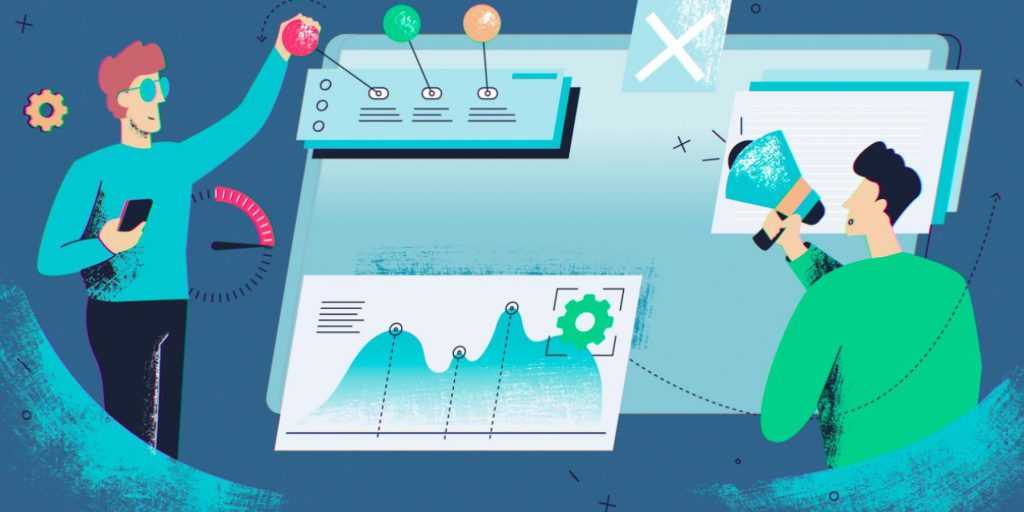
There are plenty of other approaches, however, one thing that is equally important for all of them, is how well a trader is educated about the market. There are several steps which you can take in order to become a more experienced and efficient day trader.
First of all, learn to see opportunities. Trading hours of one single day is enough to make a sound investment, however, you need to monitor the market closely and compare assets. You can try out different strategies and see which ones work better for you. You may not find every single strategy suitable and that is normal, but you definitely need to try and you can use the Practice account for that.
Learn about risk management and be extra careful with your investments. Intraday trading can be risky so always invest amounts that you are comfortable with losing and do not forget about setting the stop-loss level.
Finally, stick to your plan and do not deviate from it even if it is very tempting. Managing emotions is especially important if you are trading short-term as you may get the urge to invest more and more. Control yourself and remember to exit the deals on time.
Intraday trading can boast a number of advantages: you can see results in shorter time frames and there are no overnight fees. Still, such an approach involves a higher level of risk so it is important to learn and practice before investing real money.
NOTE: This article is not an investment advice. Any references to historical price movements or levels is informational and based on external analysis and we do not warranty that any such movements or levels are likely to reoccur in the future.
In accordance with European Securities and Markets Authority’s (ESMA) requirements, binary and digital options trading is only available to clients categorized as professional clients.
In accordance with European Securities and Markets Authority’s (ESMA) requirements, binary and digital options trading is only available to clients categorized as professional clients.
GENERAL RISK WARNING
CFDs are complex instruments and come with a high risk of losing money rapidly due to leverage.
77% of retail investor accounts lose money when trading CFDs with this provider.
You should consider whether you understand how CFDs work and whether you can afford to take the high risk of losing your money.
77% of retail investor accounts lose money when trading CFDs with this provider.
You should consider whether you understand how CFDs work and whether you can afford to take the high risk of losing your money.
Comments
Post a Comment